Why Your Makeup Routine Should Evolve After 40
- Lena Krupka

- Aug 13
- 5 min read
The makeup that looked effortless at 28 can start to feel a little off after 40. Foundation may settle where it never used to. Powder can look dry by lunch. Shimmer might seem less flattering than it did a few years ago. None of this means makeup is no longer fun, or that there are strict rules now. It simply means the canvas has changed.
Skin texture, hydration, facial structure, and even personal style often shift with time. A makeup routine that evolves with those changes can look fresher, softer, and more natural. The goal is not to look younger at any cost. The goal is to look like yourself, with products and techniques that work better now.

Skin changes can make old formulas less reliable
After 40, many people notice that skin feels drier, looks less even, or has more visible texture. Fine lines around the eyes, mouth, and forehead can also change how makeup sits on the face. A full-coverage matte foundation that once looked smooth may now cling to dry patches or settle into lines.
That does not mean full coverage is off the table. It means the formula and prep matter more.
Creamy, flexible products tend to move better with the skin. Hydrating foundations, skin tints, and lightweight concealers can give coverage without flattening the face. A thin layer often looks more polished than a heavy one.
A few helpful shifts include:
Use a hydrating primer only where needed.
Apply foundation in thin layers instead of one thick coat.
Choose concealer with a natural finish rather than a dry matte texture.
Press product into the skin with a sponge or fingers instead of dragging it.
Less product, placed with more care, often gives a more refined result.
Skin prep becomes part of the makeup
Makeup after 40 often starts before the first cosmetic product. If skin is dehydrated or not well-prepped, even expensive makeup can look uneven.
A simple prep routine can make a visible difference. Clean skin, moisturizer, and sunscreen create a smoother base. Let each layer settle for a minute before applying makeup. If everything goes on too quickly, products can pill or slide.
Primer is useful, but it should solve a specific problem. A gripping primer can help makeup last. A smoothing primer can blur texture around the nose or cheeks. A hydrating primer can add comfort. There is no need to apply primer everywhere if only one area needs help.
The best base is not always the one with the most coverage. It is the one that still looks like skin in real life.

Placement matters more than intensity
A makeup routine can feel dated when products sit in the same places they did years ago. Facial structure changes subtly over time. Cheeks may lose some volume, eyelids can become less firm, and the natural shadows of the face may shift.
Small placement changes can make makeup look more lifted and balanced.
For blush, try applying it slightly higher on the cheeks and blending toward the temples. This can brighten the face without pulling attention downward. Cream blush is especially useful because it melts into the skin and avoids a powdery finish.
For bronzer, keep it soft and diffused. Harsh contour can make texture more obvious. A warm, sheer bronzer around the outer edges of the face often looks more flattering than a strong stripe under the cheekbone.
For highlighter, choose glow over glitter. A satin or pearl finish on the high points of the cheekbones can look fresh. Large shimmer particles may emphasize texture, especially in bright daylight.
Eye makeup may need a softer strategy
Eyes often change in shape and texture after 40. Lids may become slightly hooded, lashes can look sparser, and the skin around the eyes can become more delicate. The same dark liner and heavy shadow that once defined the eyes may now make them look smaller.
Softer definition usually works better.
Brown, charcoal, plum, and deep navy can define the eyes without looking harsh. A smudged pencil liner often looks more flattering than a sharp liquid line. If eyeliner transfers, try keeping liner close to the lash line and setting it with a matching powder shadow.
For eyeshadow, satin and matte textures are easier to wear than chunky shimmer. A light wash of neutral color across the lid, a soft medium shade in the crease, and a touch of brightness at the inner corner can open the eyes without looking overdone.
Mascara still makes a big impact. Curling the lashes first can help the eyes look more awake. If lashes are finer than they used to be, a lengthening mascara may look cleaner than a heavy volumizing formula.

Powder should be used with restraint
Powder can still be useful after 40, especially around the T-zone or under makeup that tends to move. The problem is not powder itself. The problem is too much powder in the wrong places.
Heavy powder can make skin look dry and emphasize fine lines. Instead, use a small brush and apply it only where shine or creasing is an issue. The center of the forehead, sides of the nose, and chin may need a little setting. The cheeks often look better with less.
Finely milled translucent powder works well for many people, but it is not the only option. Some prefer a tinted setting powder because it adds softness without a chalky cast. Pressing powder into the skin with a puff can help makeup last, while sweeping it heavily across the face can disturb the base.
Lips benefit from shape and moisture
Lips can appear drier or less defined with time. Matte liquid lipsticks may last for hours, but they can also make lines look more visible. Cream, satin, balm, and gloss formulas often look more comfortable and fresh.
Lip liner can make a big difference, especially when it matches the natural lip color. Use it to softly shape the lips, then blend the edge inward before applying lipstick or balm. This keeps the look polished without creating a hard outline.
Good everyday lip choices include:
Soft rose
Warm nude
Berry stain
Sheer coral
Brownish pink
The most flattering shade is usually close to the natural lip tone, just a little richer.
The best routine feels current, not complicated
Changing your makeup routine after 40 does not mean buying a full new kit. Start with the products that frustrate you most. If foundation looks heavy, try a lighter base. If eyes look smaller, soften the liner. If skin looks flat, switch from powder blush to cream blush.
A modern routine might include:
Lightweight base
Cream blush
Soft eyeliner
Targeted powder
More natural coverage with less settling
Fresh color that blends into skin
Definition without harsh edges
Shine control without dryness
The real shift is paying attention to how makeup behaves on your face now. Trends can be fun, but technique matters more.
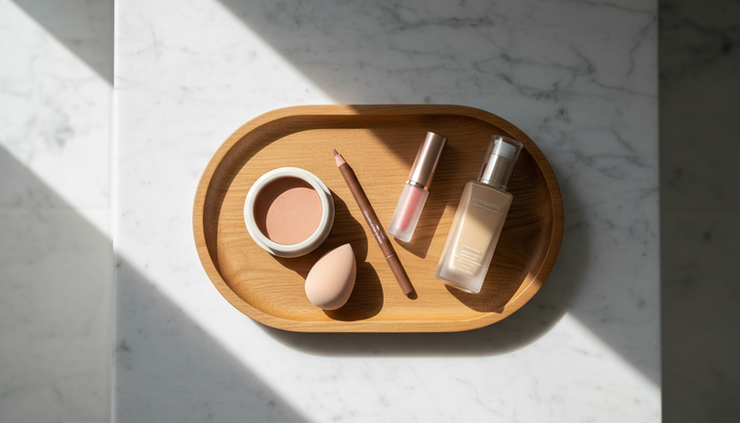
Makeup should make getting ready feel easier, not more frustrating. After 40, the most flattering routine is often lighter, softer, and more intentional. Keep what still works. Let go of what fights your skin. A few thoughtful updates can make the whole face look fresher while still feeling completely like you.


Comments