How to Choose Bridal and Mother of the Bride Makeup That Photographs Beautifully
- Lena Krupka

- Aug 31
- 5 min read
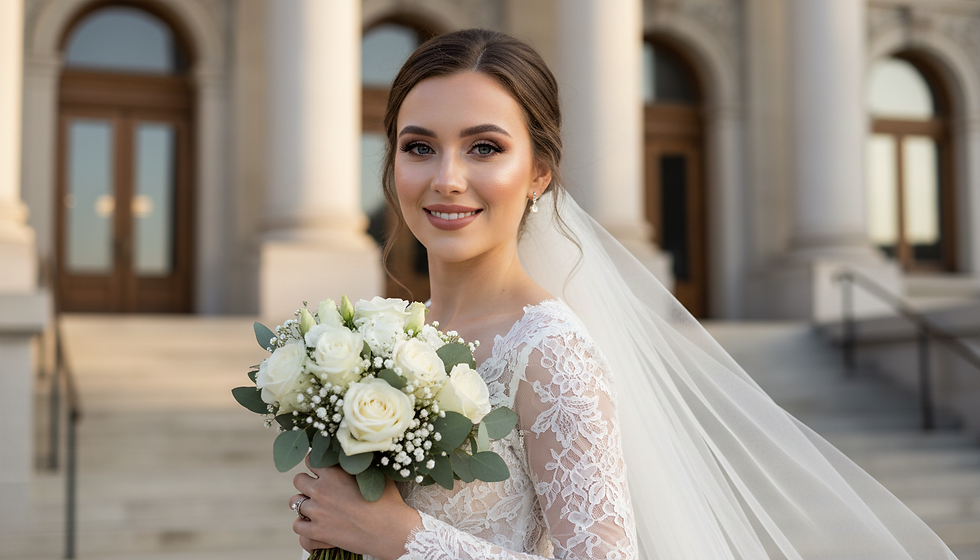
Wedding makeup has two jobs. It needs to look beautiful in person, and it needs to hold up under cameras, changing light, happy tears, hugs, and hours of wear.
That balance matters for the bride, but it matters just as much for the mother of the bride. She will be in portraits, ceremony photos, candid moments, and family close-ups. The best makeup does not look heavy or mask-like. It looks polished, dimensional, and true to the person wearing it.

Start with the lighting your photos will live in
Makeup can change dramatically from one setting to another. A look that feels perfect in bathroom lighting may read flat in daylight or shiny under flash.
Think through the full wedding day:
Getting-ready photos near windows
Outdoor ceremony light
Indoor reception lighting
Flash photography after sunset
Candlelight or warm venue lighting
For bridal makeup, the goal is definition without harshness. Features need enough shape to show up on camera, but not so much that the makeup takes over.
For mother-of-the-bride makeup, lighting is especially important because heavy powder, overly frosted shadow, or thick foundation can emphasize texture in close-up portraits. Soft satin finishes often photograph better than very matte or very shiny ones.
A trial should include photos in more than one light source. Take a few pictures near a window, outdoors if possible, and with flash. The mirror tells one story. The camera tells another.
Choose skin makeup that looks like skin
Beautiful photo makeup starts with skin prep, not foundation. Hydrated skin reflects light more evenly, which helps makeup sit smoothly through a long day.
The best complexion products for wedding photos usually have these qualities:
Product choice | Why it photographs well |
Medium, buildable foundation | Covers redness without looking thick |
Cream or liquid concealer | Blends into skin and avoids a dry finish |
Finely milled setting powder | Controls shine without creating a chalky look |
Soft cream blush | Adds life back to the face on camera |
Subtle highlighter | Gives dimension without obvious sparkle |
Avoid choosing foundation only by how it looks in store lighting. Match it to the face, neck, and chest, then check it in daylight. This matters even more when dresses or formal outfits expose the neckline.
One common photo issue is flashback, which can make the face look pale or grey in flash photos. Some products with high levels of certain mineral sunscreens or reflective powders can cause it. That does not mean you need to avoid sunscreen in daily life. It means wedding-day base products should be tested with flash before the event.

Build the eyes for expression, not just drama
Eyes carry emotion in wedding photos. A teary smile during the ceremony or a laugh during speeches will be photographed from different distances, so eye makeup needs structure.
For the bride, soft depth in the crease, defined lashes, and a clean lash line usually photograph well. Waterproof mascara is a must for most weddings, even for people who rarely cry.
For the mother of the bride, eye makeup often looks best when it lifts and defines rather than darkens the whole eye. A softly blended matte or satin shadow can add shape without heaviness. Tightlining, individual lashes, or a few well-placed clusters can open the eyes while still feeling natural.
Be careful with:
Very frosty shadow on textured lids
Heavy black liner all around the eye
Glitter that catches flash unevenly
Brows that are drawn too dark or too square
Brows frame the face in every portrait. They should be groomed and softly filled, but not so bold that they become the first thing people notice.
Pick color that brings life to the face
Many people go too neutral for wedding makeup because they fear looking overdone. On camera, though, beige makeup can disappear. A little color helps the face look healthy and defined.
For brides, blush and lip color should be visible enough to balance the dress, hair, and bouquet. Soft rose, peach, mauve, berry, or warm nude tones can all work, depending on skin tone and personal style.
For mother-of-the-bride makeup, color can be especially flattering when it is fresh but not loud. A soft cheek and defined lip can brighten the face in group portraits. Lipstick does not need to be bold, but it should have enough depth to show up.
A good rule is to choose makeup that looks slightly more polished than everyday makeup in person. Cameras tend to soften color, especially from a distance.

Coordinate the bride and mother without matching exactly
Bridal and mother-of-the-bride makeup should look connected, but not identical. The bride’s look usually sets the tone. Romantic, classic, soft glam, minimal, or vintage-inspired makeup can guide the level of polish for everyone else.
Coordination can come through shared softness, similar undertones, or balanced intensity. For example, if the bride wears warm peach tones, the mother of the bride might wear a softer rose-peach palette. If the bride chooses a classic defined eye and nude lip, the mother’s version can be gentler with a more hydrating lip finish.
What matters most is harmony in photos. No one should look underdone beside the bride, and no one should compete with her look.
This is where a skilled artist helps. Search terms like “bridal makeup artist” or “Toronto bridal makeup artist” can be useful when reviewing portfolios, but look beyond location and labels. Study real wedding galleries. Check whether the makeup still looks smooth in candid shots, flash photos, and outdoor portraits.
Book a trial and photograph the results
A makeup trial is not just a preview. It is a test run for the camera, comfort, wear time, and personal taste.
Bring helpful references, but keep them realistic. A filtered celebrity photo may not show real texture, lighting, or product finish. Better references include wedding photos with similar skin tone, eye shape, hair color, dress style, or venue lighting.
During the trial, pay attention to:
How the foundation feels after two or three hours
Whether the eye makeup transfers or creases
How the lip color wears after eating or drinking
Whether powder settles into lines
How the makeup looks in close-up photos
For the mother of the bride, the trial can be just as valuable. It gives time to adjust coverage, lashes, lip texture, and color intensity without pressure on the wedding morning.
Say what feels unfamiliar. If the lashes feel too long, the foundation feels too matte, or the lipstick feels too bright, speak up during the trial. Small changes make a big difference.

Plan for touch-ups that actually matter
Even the best makeup needs light maintenance. The goal is not to redo the whole face. It is to keep the finish fresh.
A simple wedding-day touch-up kit should include:
Lipstick or gloss used by the artist
Blotting papers
Pressed powder for the T-zone
Cotton swabs
Mini concealer
Tissues
Lash glue if wearing false lashes
Blot before powdering. Too much powder layered over oil can look heavy in close-up photos. For mothers of the bride, a hydrating lip product can also help keep the look soft through speeches, dinner, and photos.
The best photo makeup still feels like you
Makeup that photographs beautifully is not about wearing the most makeup. It is about choosing the right texture, balance, color, and definition for the camera and the person.
For the bride, that means looking radiant, expressive, and polished from morning to night. For the mother of the bride, it means feeling elegant and comfortable while looking present in every family portrait.
The best test is simple: when you see the photos, you should notice the emotion first. The makeup should support the moment, not distract from it.


Comments